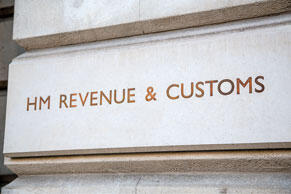
HMRC is restarting the use of direct debt recovery for individuals and businesses who choose not to pay the tax they owe despite having the means to do so. Who’s in the firing line?
Direct debt recovery (DRD) is nothing new, though its use was paused during the pandemic. It is now being relaunched to recover debts over £1,000, subject to various safeguarding rules. For example, it can only be used where the debtor has received a face-to-face visit from HMRC agents (having ignored previous correspondence), has not been identified as vulnerable, has sufficient money in the bank and still refuses to pay their debts.
Given the strict criteria it is expected that HMRC will use these powers sparingly, as it did prior to the pandemic. If you’re struggling to pay your tax bill, contact HMRC as soon as possible to ask about setting up apayment plan.
This website uses its own cookies, which may be technical or analytical, to ensure the correct functioning of all its contents and to track their use. Click HERE for more information..
By accessing the cookies policy you will always be able to view this banner that allows you to configure or reject cookies.
You can accept all cookies by pressing the "Accept" button or configure or reject their use by pressing the "Configure" button.
This website uses both its own and third-party cookies to analyze our services and navigation on our website in order to improve its contents (analytical purposes: measure visits and sources of web traffic). The legal basis is the consent of the user, except in the case of basic cookies, which are essential to navigate this website.
By accessing the cookies policy you will always be able to view this banner that allows you to configure or reject cookies.
You can accept all cookies by pressing the following button:
BASIC AND ESSENTIAL COOKIES
Basic and essential cookies are necessary to navigate this website and receive the service offered through it, so they do not require consent. These are cookies intended to only allow communication between the user's equipment and the network and provide a service that has been requested by the user.
ANALYSIS COOKIESDisabledEnabled
They make it possible to quantify the number of users and examine their browsing, thus being able to statistically measure and analyze the use made of the web, in order to improve the content and the service through it. They can be own or third party cookies. If they are not accepted, the indicated analysis will simply not be carried out.
By clicking "Save preferences and continue browsing", the selection of cookies you have made will be saved. If you have not selected any option, pressing this button will be equivalent to rejecting all cookies.

 This website uses both its own and third-party cookies to analyze our services and navigation on our website in order to improve its contents (analytical purposes: measure visits and sources of web traffic). The legal basis is the consent of the user, except in the case of basic cookies, which are essential to navigate this website.